NFPA 701 Explained: What Hotel Designers Need to Know About Artificial Plant Fire Codes
If you're an interior designer, hotel procurement manager, or hospitality contractor specifying artificial plants for a property in the United States, there's one standard you can't afford to ignore: NFPA 701.
Yet in our experience working with designers worldwide, it remains one of the most misunderstood requirements in the industry. Suppliers omit it, designers overlook it, and fire inspectors catch it — often after installation, at significant cost.
This guide explains what NFPA 701 is, what it requires, how to verify a supplier's compliance, and the right questions to ask before you specify.
What is NFPA 701?
NFPA 701 is the National Fire Protection Association's standard for Test Methods for Flame Propagation of Textiles and Films. Developed in the United States, it's the most widely referenced fire-resistance standard for decorative materials in commercial settings — including artificial plants, silk flowers, and fabric installations.
The standard defines specific burn tests that determine whether a material will propagate flame when exposed to an ignition source. Materials that pass these tests are classified as "flame resistant" and can be used in commercial properties subject to fire code enforcement.
"NFPA 701 is not optional in most US commercial properties. If your artificial plants aren't tested, your client may face an order to remove them after fire inspection."
Why It Matters for Artificial Plants
Most artificial plants on the market — particularly those sold through general home décor channels — are not NFPA 701 compliant. They're manufactured for residential use, where fire codes are less stringent and enforcement is rare.
The moment those plants are installed in a commercial property — a hotel lobby, restaurant dining room, or corporate office — they enter a very different regulatory environment. Commercial properties are subject to regular fire inspections, and decorative materials including artificial plants must comply with applicable standards.
Non-compliant plants will typically trigger a notice of violation requiring immediate removal or remediation. Depending on the jurisdiction and the scale of the installation, this can mean significant cost and disruption.
How LaySun Products Meet NFPA 701
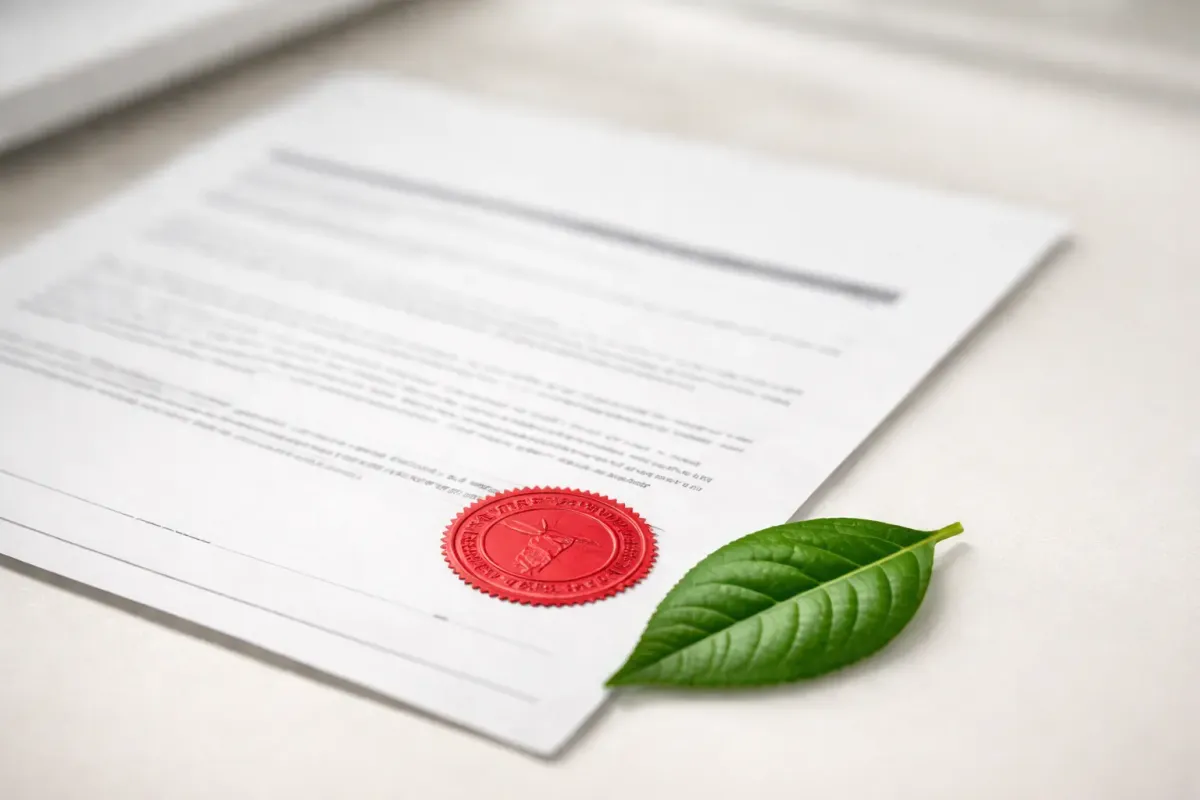
NFPA 701 (National Fire Protection Association 701) fire-rated options are available as a special order for select products. Testing is performed by an independent laboratory accepted by the U.S. Consumer Product Safety Commission (CPSC) in the Textiles and Films category. Documentation is available upon request and is provided for the project or order.
Specifically:
- Our PE foliage uses a fire-retardant additive blended into the material at manufacture — not a surface spray that wears off over time.
- Batch testing is performed by an accredited third-party laboratory.
- Documentation is available upon request for the applicable special-order project or order.
- Our certificates identify the specific product, batch, and test results, making inspector verification straightforward.
5 Questions to Ask Any Artificial Plant Supplier
Before specifying artificial plants from any supplier for a commercial project, ask these five questions:
- Do you have NFPA 701 test certificates? — Not a claim, an actual third-party lab certificate. Ask to see it before ordering.
- Is the fire retardant in the material or a surface treatment? — Surface treatments wear off. Integrated retardants in the PE compound last the life of the product.
- Is the certificate product-specific? — A certificate for one product doesn't cover an entire product line. Verify the certificate covers what you're ordering.
- Can you provide fresh batch testing if required? — For very large or sensitive projects, you may need testing of the exact production batch. Ask if this is available.
- What is the certificate expiry? — NFPA 701 test certificates should be current. Outdated certificates from years ago may not satisfy today's inspectors.
What About International Fire Standards?
For projects outside the US, NFPA 701 is typically replaced by equivalent national standards:
- Europe: EN 13501 — Construction products fire classification. Class B or C is typically required for commercial decorative materials.
- China: GB 8624 B1 — The Chinese national fire-retardant standard. Required for commercial properties under Chinese building codes.
- UK: BS 5867 Part 2 — The British standard for fabrics and related materials. Some projects also reference EN 13501.
LaySun offers special-order fire-rated options for select products. When requesting a quote, indicate your project location so we can confirm available options and documentation for the applicable project or order.
The Bottom Line
Fire-safety requirements should be resolved during specification, not after installation. Designers and procurement teams should confirm applicable standards and documentation with the project authority and supplier.
The good news: working with a supplier who takes fire safety seriously — one who manufactures fire-retardant plants and provides proper documentation — makes this straightforward. The right supplier should welcome these questions, not avoid them.
NFPA 701 fire-rated options are available as a special order for select products. Documentation is available upon request and provided for the applicable project or order.
Need NFPA 701-compliant artificial plants?
NFPA 701 fire-rated options are available as a special order for select products. Documentation is available upon request and provided for the applicable project or order.
Fire-Rating Process View Product Catalogue Request a Quote →